Product Description
, . . , , . . , Cationic Flocculant Sludge .
:
Blufloc
?
: APAM / /
:
: / /
: 9003-05-8
: Blufloc
, PAM, , , , , . , .
:
,
Blufloc:
- .
; .
, .
.
.
?
:
, , .
:
, .
:
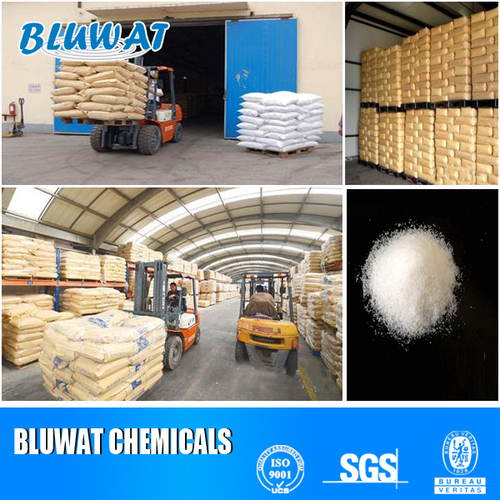
25 / PE
, , .
: 2 .
:
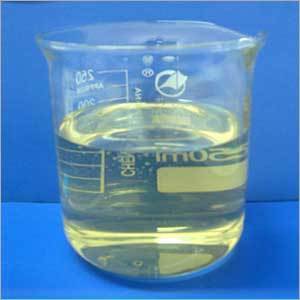
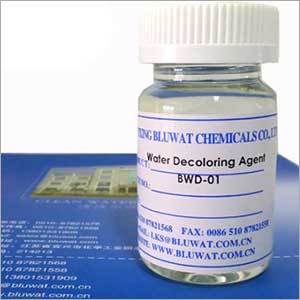
BWD-01 .
(PAC) .
(PAM) / , , .
PHPA ( ) , .
, .
PolyDADMAC , .
, ,
ACH ( ) , ,
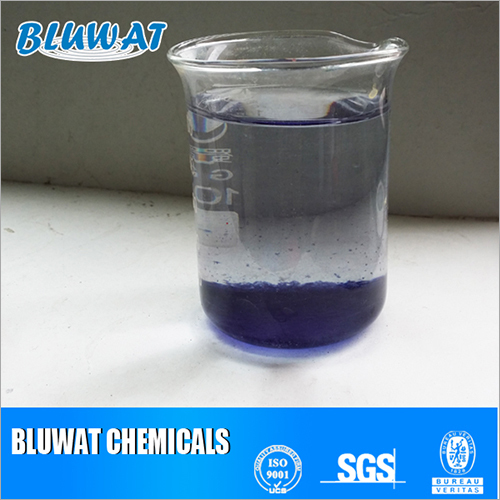
Efficient Dewatering and Wastewater TreatmentThis cationic flocculant is engineered for optimal performance in sludge dewatering and a range of wastewater treatment applications. It promotes rapid formation of large, stable flocs, allowing for effective solid-liquid separation. Its high molecular weight and ion charge ensure compatibility with various industrial sludge types, delivering consistent results and improved operational efficiency.
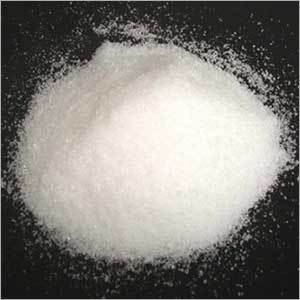
Consistent Quality and Safe HandlingOur flocculant is manufactured in China to strict industrial standards, ensuring a purity of over 90% and non-toxic characteristics. The powder format is convenient for storage and dosing. Fully soluble in water, it works across a wide pH range, providing flexibility in different treatment scenarios. Durable packaging safeguards product quality for up to 24 months.
FAQs of :
Q: How is the cationic flocculant precipitate applied in wastewater treatment processes?
A: The cationic flocculant precipitate is dissolved in water and subsequently added to wastewater or sludge streams. Agitation facilitates the interaction between the polymer and suspended particles, forming flocs that can be separated by filtration, centrifugation, or sedimentation.
Q: What is the recommended dosage for this cationic flocculant in dewatering applications?
A: The recommended dosage ranges from 0.1% to 0.5% of the total sludge volume. The optimal amount should be determined through small-scale pilot tests, as requirements may vary based on sludge type and specific site conditions.
Q: When should this flocculant be used during the wastewater treatment process?
A: This flocculant is typically introduced during the sludge conditioning or dewatering phase, after primary sedimentation and before filtration or centrifugation, to enhance solid-liquid separation and improve sludge dewatering efficiency.
Q: Where is this cationic flocculant most commonly applied?
A: It is widely used in industrial and municipal wastewater treatment plants, especially where significant sludge dewatering, clarification, or solid-liquid separation is required.
Q: What are the main benefits of using a cationic flocculant for sludge dewatering?
A: Key benefits include improved sludge dewatering efficiency, reduced disposal costs, enhanced clarity of treated water, and decreased use of secondary chemicals due to the high purity and charge density of the product.
Q: How should the cationic flocculant powder be stored to maintain its effectiveness?
A: The powder should be stored in a cool, dry place in its original multi-layer moisture-proof 25 kg bags. Avoid exposure to direct sunlight and high humidity to maintain product integrity throughout its 24-month shelf life.