About
. . , . . . , .
:
, , - . , , , , . :
(), :
- , , .
. . , , .
&
() /:
- 01 :
:
( ):
():
:
:
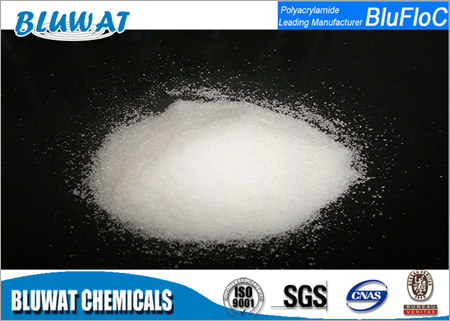
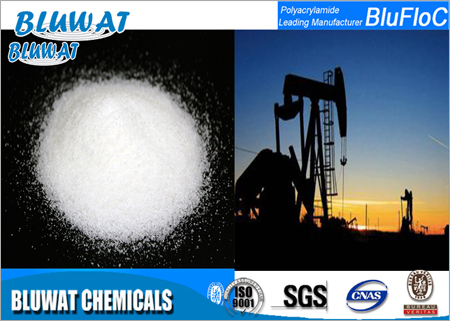
Diverse Ionic Grades for Varied NeedsWhether your process requires anionic, cationic, or nonionic interactions, polyacrylamide multi-type offers all three grades for tailored applications. Its versatile nature allows it to effectively serve as a flocculant, thickener, or stabilizer across various industries, notably water treatment, mining, papermaking, and oil recovery. Its granular, white powder form also ensures efficient dissolution and handling.
Reliable Performance and Safe HandlingWith a non-toxic profile, this polymer meets stringent safety standards and is not classified as hazardous under GHS. Its neutral to slightly alkaline pH and non-reactive character make it compatible with most inorganic coagulants and pH agents, ensuring reliable integration into your existing processes without significant risk of adverse reactions.
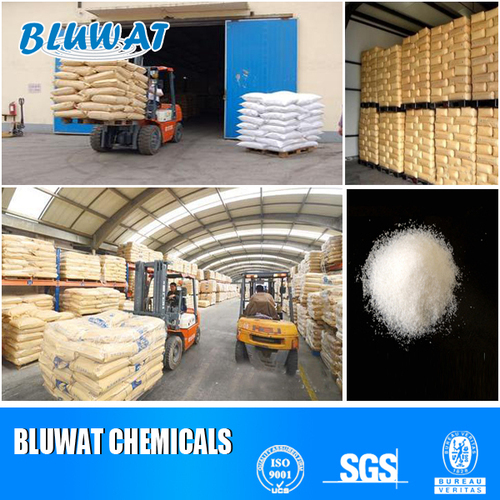
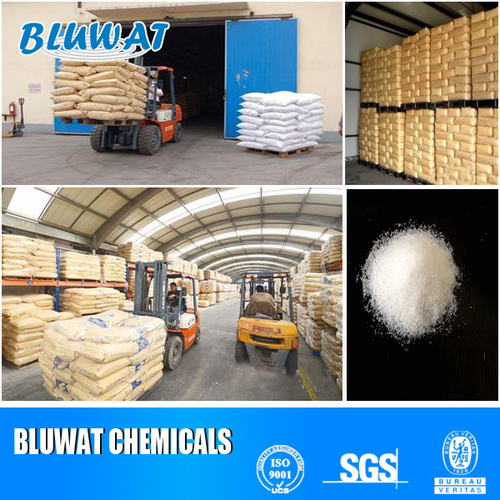
Stable Storage and Convenient PackagingPolyacrylamide multi-type is delivered in robust packaging25 kg bags or jumbo 750/850 kg bagsmaking it suitable for distributors, exporters, and manufacturers. Its stable composition offers a two-year shelf life when stored in cool, dry conditions, minimizing spoilage and maximizing cost-effectiveness for bulk industrial use.
FAQs of :
Q: How is polyacrylamide multi-type used in water treatment processes?
A: Polyacrylamide multi-type serves as a highly effective flocculant or thickening agent in water and wastewater treatment, helping to aggregate suspended particles for easier separation and removal. Its ionic nature enables it to adapt to various water chemistries and treatment requirements.
Q: What are the main benefits of using polyacrylamide multi-type in industrial applications?
A: Key benefits include exceptional water solubility, high molecular weight for efficient flocculation or thickening, non-toxicity for safe handling, and compatibility with common coagulants and pH adjustment chemicals. These properties enhance performance across industries like mining, papermaking, and oil recovery.
Q: When should I choose anionic, cationic, or nonionic grades of polyacrylamide?
A: Select the anionic grade for negatively charged particles, cationic for positively charged particles, and nonionic for neutral or sensitive environments. The choice depends on your specific application and the characteristics of the system or sludge being treated.
Q: Where should polyacrylamide be stored to maintain stability and shelf life?
A: Store the product in a cool, dry place away from moisture and direct sunlight. Proper storage preserves its powder form and ensures up to a two-year shelf life without degradation of quality or performance.
Q: What is the typical process for dissolving polyacrylamide powder for use?
A: Gradually add the powder to water under constant agitation to ensure uniform dissolution. Avoid rapid dumping to prevent clumping, and use the prepared solution within a reasonable period to maintain optimal viscosity and effectiveness.
Q: Is polyacrylamide multi-type hazardous or poisonous to handle?
A: According to the safety data sheet and GHS classification, this product is non-toxic and not deemed hazardous. It is odorless and safe for handling with standard precautionary measures, making it suitable for industrial use without special hazard controls.








 Send Inquiry

 Send Inquiry


