Anionic Polyacrylamide Homopolymer About
Since the establishment in the year 1990, our enterprise is engaged in offering Anionic Polyacrylamide Homopolymer. The provided homopolymer is a water soluble polymer formed from acrylamide (a compound with the molecular formula C3H5NO) subunits. This is used as retention aids typically have molecular masses in the range 5 to 20 million grams per mole. Mainly used for various industrial wastewater sedimentation and clarification treatment, flocculation sedimentation, such as iron and steel plant wastewater, electroplating wastewater, wastewater metallurgy, coal washing wastewater treatment, sludge dewatering. Apart from this, our treasured clients can purchase this Anionic Polyacrylamide Homopolymer from us in several air-tight packaging options at reasonable prices.
Features:
- Soluble in water, safe, non-toxic, hydrolytic stability
- To increase the viscosity of water and improve the effectiveness of the water flooding process.
- Precise composition
Anionic polyacrylamide Features:
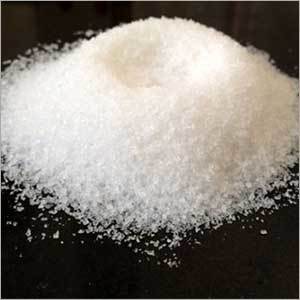
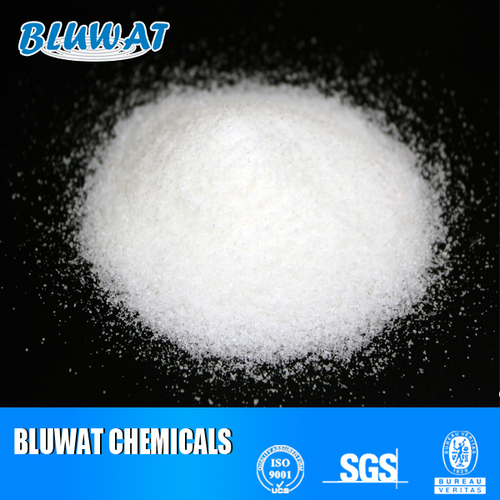
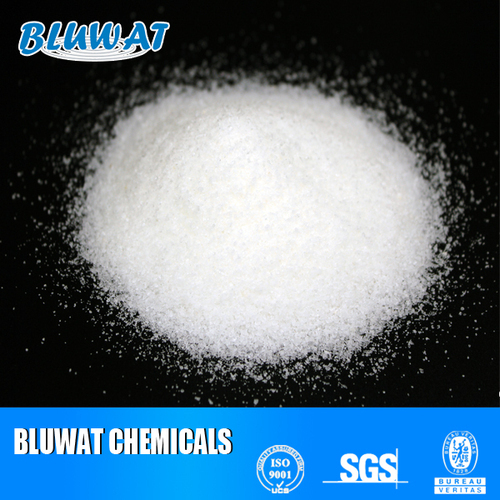
- Appearance: White granule
- Molecular weight: 5 - 22 million minimum
- Granule: 20 - 100 mesh
- Solid content: 88% minimum
- Hydrolyzing degree: 10 - 20%, 20 - 30% or 30 - 40%
- Dissolving time: 2 hours maximum (10 C)
- Insoluble: 0.5% maximum
- Monomer free: 0.05% maximum
Anionic polyacrylamide polymer Packing:
25kg/plastic enhanced paper bags with inner plastic bag, 25kg/PE bags
Technical Specifications:
| Environmental Protection: | Yes |
| Color | White |
| Appearance: | Granulars |
| Type: | Sewage Treatment Chemicals |
| Usage: | Anionic Polyacrylamide Homopolymer |
Exceptional Performance Across IndustriesThe robust molecular structure and high purity of Anionic Polyacrylamide Homopolymer make it particularly effective for applications requiring strong flocculant or clarifying agents. It delivers efficient solid-liquid separation in wastewater, accelerates sedimentation in mining, and upgrades dewatering in paper making processes. Its versatility allows for use in challenging chemical environments and a wide temperature range.
Safe, Stable, and Simple to UseEngineered to be easily soluble in water, APAM offers rapid preparation times, low residue monomer content (0.05%), and a non-toxic profile, making it safe for operators and environmentally friendly. Reliable for up to two years when stored properly, users benefit from convenient 25 kg or jumbo 750 kg packaging choices for various operational scales.
FAQs of Anionic Polyacrylamide Homopolymer:
Q: How should Anionic Polyacrylamide Homopolymer be stored to maintain its effectiveness?
A: This product should be stored in its original packaging in a cool, dry place and protected from direct sunlight to preserve its quality and maximize its two-year shelf life.
Q: What is the recommended process for dissolving APAM in water?
A: Add the white granular powder slowly to clean water while vigorously stirring. Within 60 minutes, the product will completely dissolve, forming a clear solution ready for use.
Q: Where can Anionic Polyacrylamide Homopolymer be used effectively?
A: It is ideal for industrial processes including wastewater treatment, mining operations, paper manufacturing, oil recovery, the textile sector, and sugar refining plants.
Q: When is it most beneficial to use APAM in treatment processes?
A: Use APAM during solid-liquid separation, sludge dewatering, or whenever enhanced flocculation and rapid sedimentation are required, such as before discharge or recycling in industrial effluent streams.
Q: What are the benefits of using this product in wastewater treatment applications?
A: APAM provides efficient sedimentation, improved sludge dewatering, excellent clarification, and high flocculation rates while remaining environmentally safe due to its low toxicity and minimal residual monomer content.
Q: How does the products ionicity impact its industrial application?
A: With ionicity between 10-40%, APAM can be tailored for optimal flocculating capacity across different types of wastewater or process streams, improving operational efficiency in a wide pH and temperature range.








 Send Inquiry

 Send Inquiry


