CPAM Cationic Polyacrylamide About
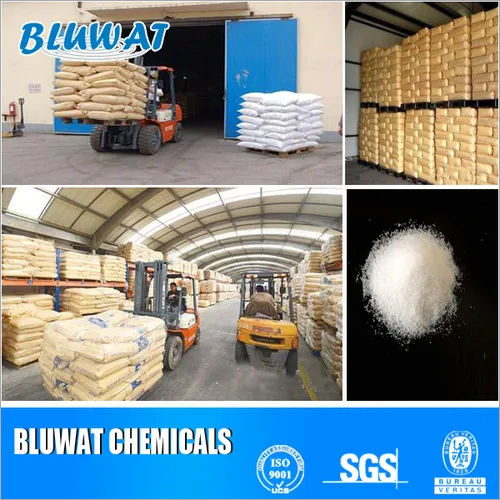
We feel proud to introduce ourselves as one of the leading manufacturers and suppliers of excellent quality CPAM Cationic Polyacrylamide. It is an attractive alternative to conventional peptide/protein carrier systems as they can be formulated under benign conditions that minimize the chances of peptide denaturation. This is applied practically as flocculants are mainly water-soluble polyacrylamides, polyphosphates and modified natural polymers gelatines, chitosan, and carrageenan, as well as starch and cellulose derivatives. We provide this CPAM Cationic Polyacrylamide in various packaging options at a very pocket friendly rate.
Features:
- Makes rubber products, resistant to seasonal damages, hence long lasting
- Having an excellent gloss and clarity
- Precise composition
C8015 Cationic Polyacrylamide specification:
| Specifications: | Index: |
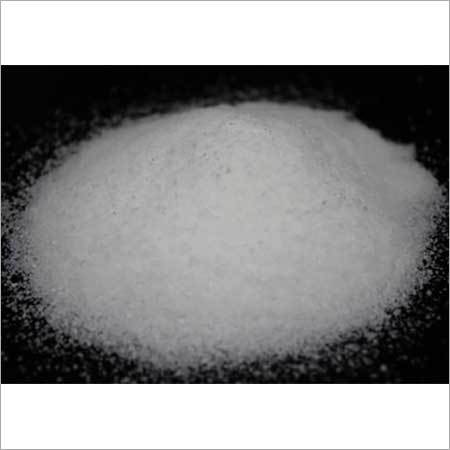
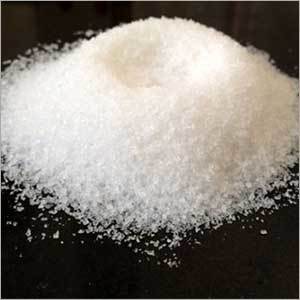
| Appearance: | Off-White Granular Powder |
| Ionic Charge: | Cationic |
| Particle Size: | 20-100 Mesh |
| Molecular Weight: | Medium-High |
| Charge Degree: | Medium-Low |
| Solid Content: | 89% Min. |
| Bulk Density: | About 0.6-0.8 |
| Specific Gravity at 25C: | 1.01-1.1 |
| Recommended Working Concentration: | 0.1-0.5% |
| PH Value: | 4-9 |
| Storage Temperature (C): | 0 - 35 |
Premium Water-Soluble FlocculantCPAM is renowned for its immediate solubility in water, dissolving within 60 minutes. This ensures rapid preparation and efficiency in industrial processes where time and clarity are crucial. Its white granular appearance guarantees purity, and the product maintains less than 0.2% insoluble content for unrivaled performance.
Safe and Versatile Industrial SolutionThanks to its non-toxic formulation and stable pH range of 68, CPAM is favored across the wastewater treatment, paper manufacturing, oil extraction, and textile sectors. Compatible with various operational temperatures and resistant to both acids and alkali, it adapts seamlessly to diverse application environments.
Optimal Storage and HandlingCPAM retains its efficacy when stored in a cool, dry, and well-ventilated area with a consistent moisture content under 10%. Ensuring these storage conditions not only extends its shelf life to two years but also preserves quality for high-yield industrial performance.
FAQs of CPAM Cationic Polyacrylamide:
Q: How should CPAM Cationic Polyacrylamide be used in wastewater treatment applications?
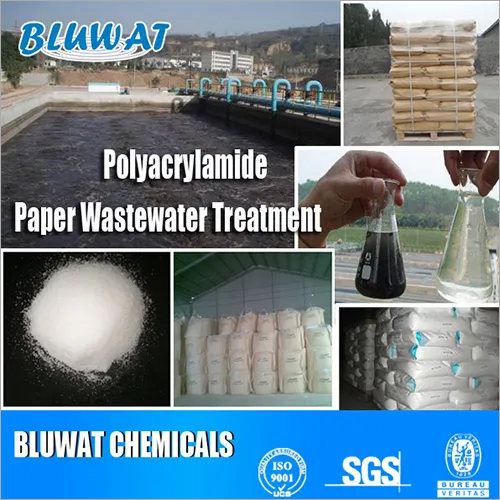
A: CPAM functions as an efficient flocculant in wastewater treatment, aiding in the aggregation and removal of suspended particles. For best results, dissolve the recommended dosage of 0.10.3g/L in water, ensuring complete solubility within 60 minutes. Adjustments may be made based on the specific characteristics of the effluent.
Q: What is the recommended storage condition for CPAM, and why is it important?
A: CPAM should be stored in a cool, dry, and ventilated area to maintain its moisture content below 10%. Proper storage ensures the product retains its white granular form and effectiveness throughout its two-year shelf life, preventing degradation caused by humidity and heat.
Q: When is CPAM most beneficial in industrial processes?
A: CPAM is particularly advantageous during solid-liquid separation processes, such as clarifying wastewater, enhancing paper strength in papermaking, or improving oil recovery in extraction industries. Its high solubility and versatility make it suitable for use whenever rapid and efficient particle aggregation is required.
Q: Where can CPAM Cationic Polyacrylamide be applied beyond wastewater treatment?
A: Besides wastewater treatment, CPAM is widely used in paper manufacturing for retention and drainage, oil extraction as an enhanced recovery agent, textile processing, and a variety of chemical industry applications requiring efficient flocculation and clarification.
Q: What benefits does CPAM offer over other flocculants?
A: CPAM offers several benefits: high purity (90%), immediate and complete water solubility, superb acid and alkali resistance, non-toxicity, and adaptability to varying ionicity levels (560%). These qualities ensure greater efficiency and broad applicability with minimal environmental impact.
Q: How is CPAM typically packaged for industrial supply and transport?
A: CPAM is commonly provided in 25 kg standard bags or jumbo bags upon request, ensuring convenient handling and storage while maintaining product quality. The packaging is designed to protect against moisture and contamination during transit and storage.








 Send Inquiry

 Send Inquiry


