ETP Sludge Dewatering Polyacrylamide Chemicals About
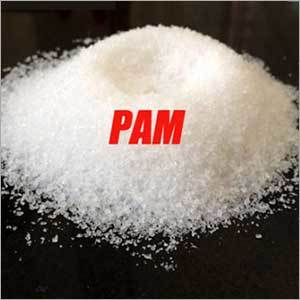
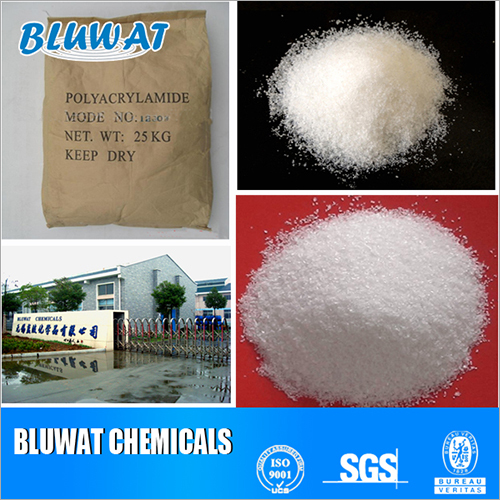
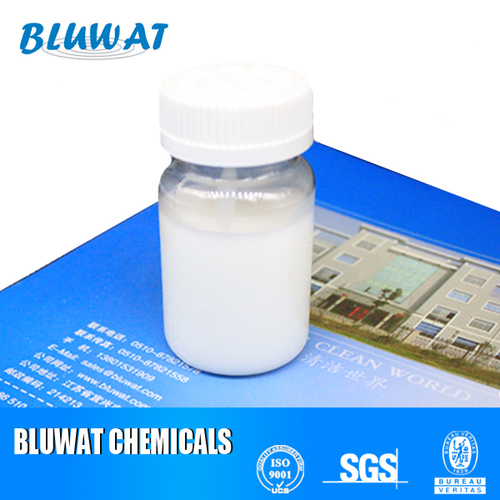
We are engaged in manufacturing and exporting optimum quality ETP Sludge Dewatering Polyacrylamide Chemicals. The offered chemicals are used to improve on-site materials to create a solid soil stabilizing and strong sub-base and base courses. These are used to increase water infiltration into soils containing clay. Besides, these ETP Sludge Dewatering Polyacrylamide Chemicals are available in several safe packaging options at market leading prices.
Features:
- Hygienically processed
- Correct composition
- Enhanced shelf life
ETP sludge dewatering cationic polyacrylamide specification:
| Items | Facade | Molecular | Solid content (%) | Cationic Charge | Solution Time (min) |
| Index | Granule | Low-High | 88 | Low-High | 60 |
Versatile Applications in Wastewater TreatmentThese polyacrylamide chemicals serve as essential flocculants in Effluent Treatment Plants (ETPs) and sludge dewatering processes. Their different ionic formsanionic, cationic, and nonionicenable precise treatment of diverse wastewater types encountered across industries, enhancing clarity and reducing disposal costs.
High Efficiency and Ease of UseEasily soluble in water, the white granular or powder form dissolves within 3060 minutes, forming a high-viscosity solution for effective particle aggregation. With a recommended dosage of just 0.21.0 ppm, users benefit from cost-effective performance and minimal product wastage.
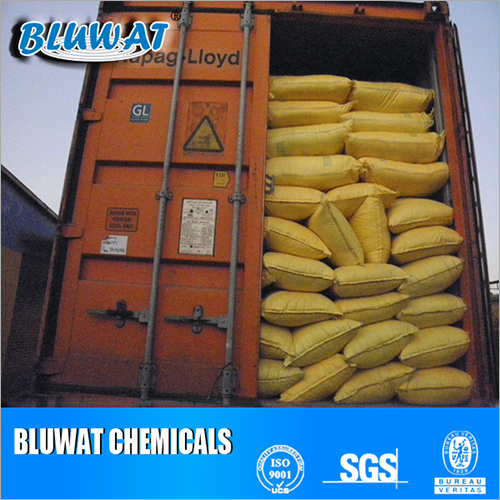
Reliable, Safe, and Long-lastingWith a shelf life of 2 years and resistance to both acidic and alkaline conditions, these flocculants provide reliable long-term operation. Non-toxic and odorless, they ensure user safety while maintaining superior dewatering results. Their robust packaging and moisture resistance preserve quality throughout storage and handling.
FAQs of ETP Sludge Dewatering Polyacrylamide Chemicals:
Q: How should ETP Sludge Dewatering Polyacrylamide Chemicals be stored for optimal performance?
A: Store these chemicals in a cool, dry, and ventilated place to maintain their efficacy and prevent moisture absorption. Keeping the bags sealed and away from direct sunlight or heat sources will help preserve their high purity and performance for up to two years.
Q: What is the recommended procedure for dissolving polyacrylamide chemicals?
A: To dissolve polyacrylamide, slowly add the granular or powder product to water under constant stirring. Allow 3060 minutes for full dissolution. Use clean water at an operating temperature of 060C, and stir thoroughly to achieve a uniform, high-viscosity solution.
Q: When should I choose anionic, cationic, or nonionic types for my ETP application?
A: The choice depends on the specific characteristics of your wastewater. Anionic types are ideal for inorganic sludge or water with high mineral content, cationic types excel with organic-rich sludge, and nonionic types suit neutral or lightly contaminated water. Testing is recommended to determine the most effective type for your application.
Q: Where can these polyacrylamide chemicals be applied besides ETP sludge dewatering?
A: In addition to ETPs, these flocculants are suitable for municipal and industrial wastewater treatment, mining, paper manufacturing, textile processing, and other processes requiring efficient solid-liquid separation or enhanced sludge dewatering.
Q: What are the main benefits of using this polyacrylamide in ETPs and sludge dewatering applications?
A: Key benefits include improved sludge dewatering efficiency, reduced chemical dosage, high purity (>99%), excellent resistance to acids and alkalis, and non-toxic, odorless operation. These attributes result in clearer effluent, lower disposal costs, and safer handling.
Q: How does the recommended dosage of 0.21.0 ppm impact usage?
A: This low dosage range signifies high product efficiency, enabling effective sludge dewatering and flocculation with minimal chemical input. The specific dose depends on sludge characteristics; start with a jar test to optimize treatment while minimizing cost and environmental impact.








 Send Inquiry

 Send Inquiry


