Poly Diallyl Dimethyl Ammonium Chloride About
We are the noteworthy manufacturer and exporter of Poly Diallyl Dimethyl Ammonium Chloride that is widely used in metallic, chemical and pharmaceutical industry. It has got a wide range of applications right from water purification, oil recovery, color removal, paper making, mineral processing, etc. It is highly regarded for its cleaning property and has earned us a huge client base. This is mainly used as fertilizer and a flavouring agent in some types of liquorice. Additionally, the Poly Diallyl Dimethyl Ammonium Chloride offered by us is inspected thoroughly upon a series of quality tests to seek any possible defect from the product.
Features:
- Activated silicone oil
- Contains a blend of proprietary surfactants
- Supplied in stable emulsion form
Technical Specifications:
| Technical Name: | Polydimethyl-dislkelen-ammonium Chloride / Polydadmac |
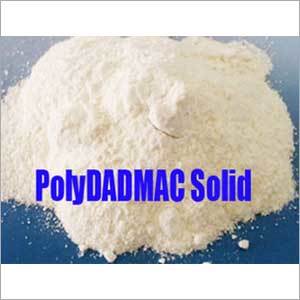
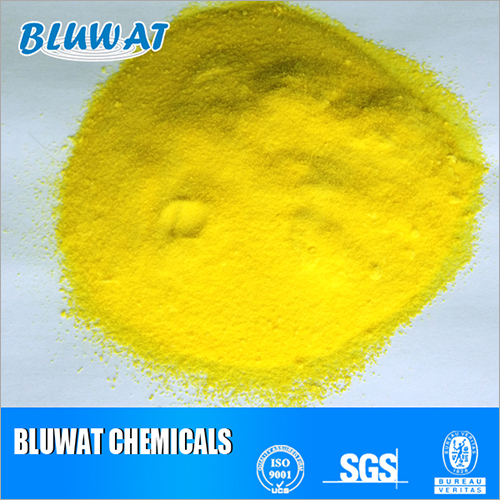
| Appearance: | White Solid Powder |
| Viscosity(1%): | 10-50cps |
| Solid Content: | >95%min. |
| PH (1% solution): | 3 - 6 |
| Ionic Nature: | Cationic |
| Specific Gravity: | 0.9- 1.04 |
Highly Effective Cationic CoagulantPolyDADMACs strong cationic nature makes it exceptionally effective for coagulating and flocculating impurities in water treatment processes. Its high molecular weight and robust ionic charge help ensure rapid settling of suspended solids, aiding in the clarification and purification of water across multiple industries.
Versatility Across Multiple IndustriesWidely used in paper production, oilfields, textile dyeing, and wastewater treatment, PolyDADMAC adapts seamlessly to varying operational needs. It enhances paper strength, improves oil-water separation, and efficiently removes colorants in textile effluent, highlighting its adaptability for industrial applications.
Safe Handling and Long Shelf LifeWith a non-toxic profile and no hazardous classification under normal conditions, PolyDADMAC offers safe handling for operators. It is easily stored in a cool, dry environment and provides a shelf life of up to 12 months, ensuring long-term usability without loss of performance.
FAQs of Poly Diallyl Dimethyl Ammonium Chloride:
Q: How should Poly Diallyl Dimethyl Ammonium Chloride be stored for optimal quality retention?
A: PolyDADMAC should be stored in a cool, dry area away from direct sunlight. Use the original HDPE drum or IBC tank packaging and ensure the container is tightly closed to maintain product stability and extend its shelf life up to 12 months.
Q: What is the primary process for using PolyDADMAC in water treatment applications?
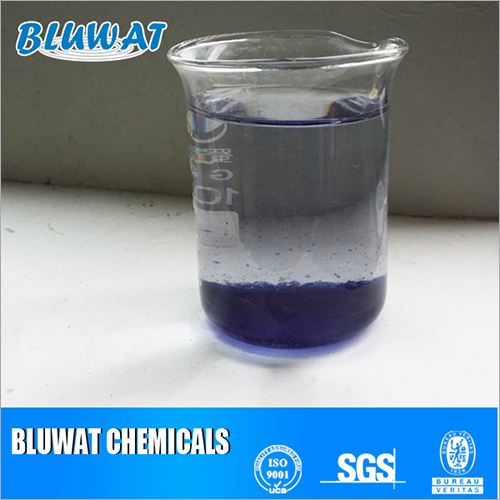
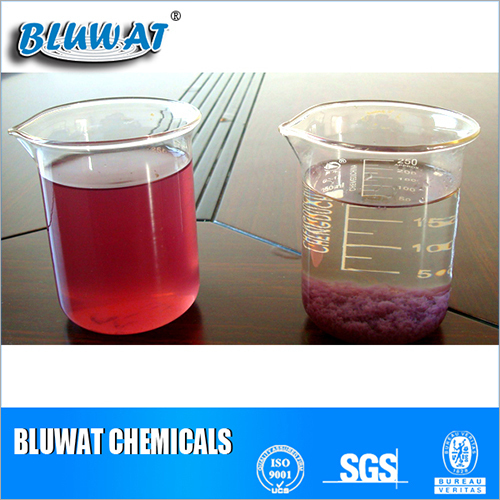
A: In water treatment, PolyDADMAC is dosed directly into the water where it acts as a coagulant, rapidly neutralizing negatively charged particles and promoting floc formation. This enhances sedimentation, clarifies water, and aids in removing suspended solids efficiently.
Q: When is PolyDADMAC recommended over other coagulants?
A: PolyDADMAC is often selected when a strong cationic polymer is needed, especially in cases with high turbidity or difficult-to-treat industrial effluents. Its compatibility with most inorganic coagulants allows for synergistic effects in advanced treatment regimes.
Q: Where can PolyDADMAC be applied apart from water treatment?
A: Beyond municipal and industrial water treatment, PolyDADMAC is applicable in paper manufacturing (as a retention aid), oilfields (for enhanced separation processes), textile dyeing (for color removal), and general wastewater management.
Q: What are the benefits of using PolyDADMAC in industrial processes?
A: PolyDADMAC provides rapid coagulation, supports efficient filtration, reduces sludge volume, and improves water clarity. Its strong cationic charge makes it versatile for treating a variety of industrial wastewaters, resulting in cost-effective and reliable operations.
Q: Is PolyDADMAC safe to handle and use?
A: Yes, PolyDADMAC is classified as non-toxic and does not fall under hazardous chemical classifications under regular handling conditions. It has a mild characteristic odor and poses minimal risk when proper storage and handling instructions are observed.








 Send Inquiry

 Send Inquiry


