Polyelectrolyte Cationic About
In order to come up with preferences of our valued customers, we offer
Polyelectrolyte Cationic. The offered chemical is utilized for dewatering organic slush from human waste, sewage and industrial effluents. The provided chemical is It is appreciated for unmatched features like exceptional floc formation, superior cleaning performance, quick settling, improvised filter clarity, high filtration capacity, fully miscible in water and competent in filter cake washing. Also, this is tested on set quality parameters by our quality inspectors to ensure its purity. Additionally, we are offering this
Polyelectrolyte Cationic to the clients at pocket friendly prices.
Features: - Economical to use-effective at very low dosage levels.
- Perform well over a wide pH range.
- Improve throughput and cake solids.
Treatment Levels:
For use as:
- Belt press, Screw Press, Filter Press or Centrifuge dewatering of municipal or industrial waste water sludge.0.1 to 1%/dry solid.
- Air flotation of activated sludge or paper mill fines0.1 to 5 ppm
- Thickening, clarification or treatment of elutriated, digested primary and waste activated sludge.0.1 to 5 ppm
Typical properties:
- Chemical compositionCationic Polyelectrolyte
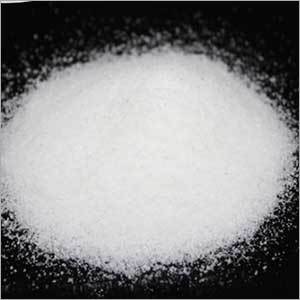
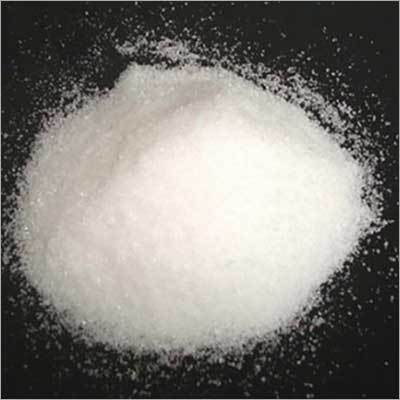
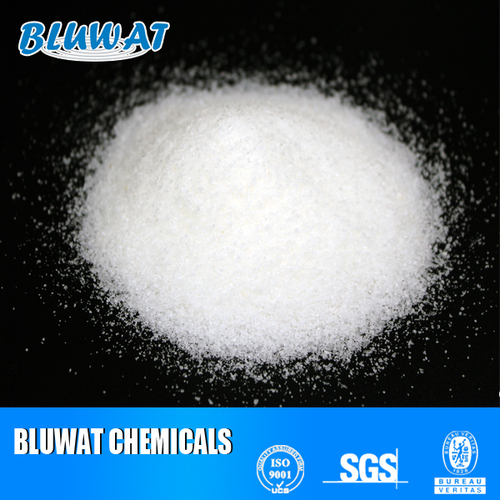
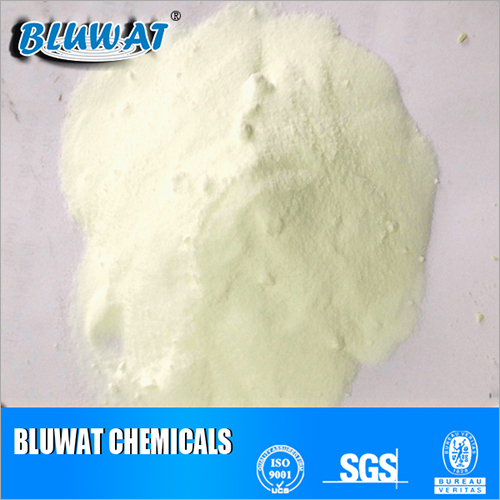
- Appearance:White Granule
- Ionicity: Cationic
- Bulk Density ( gr / ml ):0.8
- Effective pH Range: 3 ~ 10
- pH of solution ( 250C ): About 4
Technical Specifications:
| Items | Facade | Molecular | Solid content (%) | Cationic Charge | Solution Time (min) |
| Index | Granule | Low-High | 88 | Low-High | 60 |
Exceptional Solubility and Ease of UsePolyelectrolyte Cationic dissolves easily in water, forming a clear solution in 60 minutes or less. Its granular powder form makes handling and measuring straightforward, supporting a seamless preparation process. With an insoluble content less than 0.1%, users can trust in consistent performance in various industrial settings.
Versatile Applications Across Multiple IndustriesThis cationic polyelectrolyte is well-suited for wastewater treatment, sludge dewatering, paper making, and textile processing. Its high molecular weight (540 million Dalton) delivers powerful flocculation, enhancing the efficiency of solid-liquid separation and improving process throughput in industrial systems.
Reliable and Safe PerformanceEngineered for robust operation, the product is stable at pH levels of 68 and effective across temperatures from 5C to 45C. Non-toxic when used as recommended, it provides excellent acid and alkali resistance, ensuring long-lasting functionality and operator safety.
FAQs of Polyelectrolyte Cationic:
Q: How should Polyelectrolyte Cationic be stored to maintain its quality?
A: Polyelectrolyte Cationic should be kept in a cool, dry place to preserve its efficacy and achieve the full 24-month shelf life. Ensure the packaging is tightly sealed to prevent moisture absorption.
Q: What is the recommended process for dissolving Polyelectrolyte Cationic in water?
A: Gradually add the powder to water with continuous stirring to avoid clumping. Use clean, cool water, and allow up to 60 minutes for complete dissolution. Ensure the insoluble content remains below 0.1% for optimal results.
Q: When should Polyelectrolyte Cationic be used during wastewater treatment?
A: Polyelectrolyte Cationic is introduced during flocculation and dewatering steps, where it binds fine solids for easier removal, improving water clarity and reducing sludge volume.
Q: Where is Polyelectrolyte Cationic commonly applied?
A: It is extensively used in wastewater treatment facilities, pulp and paper production, textile processing plants, and industries requiring efficient solid-liquid separation.
Q: What are the primary benefits of using Polyelectrolyte Cationic in industrial applications?
A: Key advantages include enhanced floc formation, rapid settling of suspended particles, reduction in sludge volume, and improved process efficiencyall with excellent chemical stability and safety during use.
Q: How can the dosage of Polyelectrolyte Cationic be adjusted for different applications?
A: The recommended dosage ranges from 0.1 to 15 ppm and should be determined based on the specific process requirements and water characteristics. Conducting onsite jar tests helps identify the optimal dosage for maximum performance.








 Send Inquiry

 Send Inquiry


