CMC for Oil Drilling About
CMC for Oil Drilling
CARBOXY METHYL CELLULOSE
- Technical grade sodium carboxy methyl cellulose used for oil drilling, geological prospecting and natural gas extract mine
- Anti-salt, anti-high-temperature
- No-toxic
- Increase the viscosity of the mud and can control the mud fluid loss
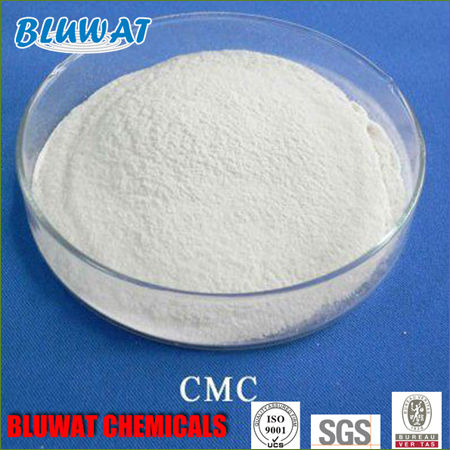
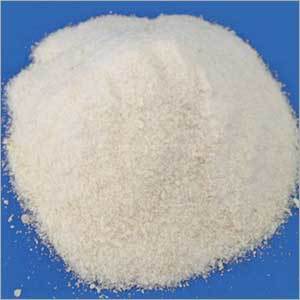
- Appearance: free flowing off white powder
- Moisture content: 10.0% (max.)
- PH of solution: 6.0 - 8.5
- Particle size: 95% (min.)
- Passes through 40 meshes
- Mud performance properties 600r/m reading value
2.2g in 350ml distilled water 30
2.7g in 350ml 4% nacl: 30
2.5g in 350ml saturated navl: 30
Package:
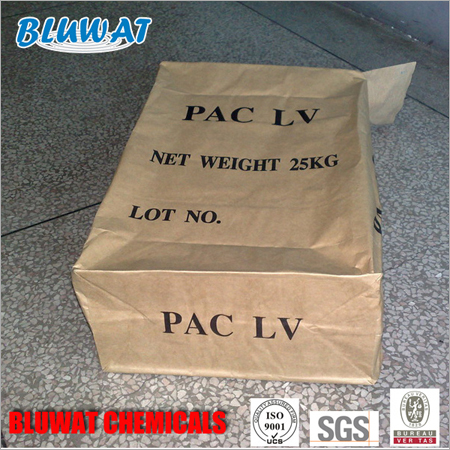
- 25kg/plastic enhanced paper bag, PE bag or 1000kg/bulk bag
Reliable Solution for Oil Drilling FluidsCMC is widely utilized in oil drilling due to its high viscosity, excellent fluid loss control, and ability to increase the stability and performance of drilling fluids. It enhances water retention, provides superior suspension, and maintains efficiency even in harsh, saline, or alkaline conditions.
Product Integrity and Safety AssuredManufactured under stringent standards, CMC is non-poisonous, odorless, and tasteless, ensuring it is safe for use. Its high purity (99% min) and consistent physical characteristics make it suitable for various industrial applications, while secure packaging preserves its quality during storage and transport.
Easy Integration & Long Shelf LifeCMC powder dissolves easily in water, simplifying its addition to drilling fluid formulations. Its two-year shelf life ensures long-term performance, provided it is kept in a cool, dry location in tightly sealed containers. This reliability helps maintain consistent drilling operations.
FAQs of CMC for Oil Drilling:
Q: How is CMC used in oil drilling operations?
A: CMC is added to drilling fluids and muds to improve viscosity, water retention, suspension, and filtration control. Its thickening and stabilizing properties help prevent fluid loss and maintain borehole stability during drilling.
Q: What are the benefits of using CMC in drilling fluids?
A: Using CMC enhances fluid viscosity and suspension, reduces fluid loss, and stabilizes drilling operations, especially in high salinity and alkaline environments. Its compatibility with most additives allows flexible formulation design.
Q: When should I add CMC to the drilling fluid?
A: CMC should be introduced during the mixing phase of drilling fluid preparation. Adding it early ensures homogeneous distribution and optimal viscosity control throughout the drilling process.
Q: Where should CMC be stored to maintain its quality?
A: It should be stored in sealed containers in a cool, dry place to preserve its efficacy and extend its shelf life up to two years. Avoid exposure to moisture and direct sunlight.
Q: What is the proper process for dissolving CMC in water?
A: Gradually add CMC to water with constant agitation to prevent lump formation. Mixing at room temperature ensures it disperses evenly and fully dissolves for maximum effectiveness in fluids.
Q: Which packaging options are available for CMC?
A: CMC is typically supplied in 25 kg or 50 kg net weight paper bags. Customized packaging is available according to customer requirements to suit various handling and storage needs.
Q: What makes CMC compatible with other drilling fluid additives?
A: CMCs chemical structure allows it to interact favorably with most polymers and additives used in drilling fluids, enabling synergistic effects without causing instability or precipitate formation.









 Send Inquiry

 Send Inquiry


