Welcome to Yixing Bluwat Chemicals Co., Ltd!





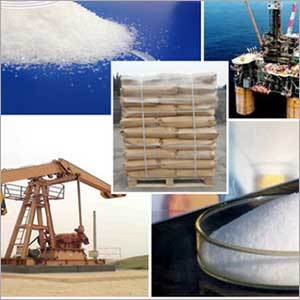
To meet diversified needs of our esteemed clients all over the world, we are involved in offering a premium quality Partially Hydrolyzed Polyacrylamide PHPA Polymer. The offered polymer is widely appreciated for its long shelf life and premium quality. It can help to reduce water losses, improve drilling fluid rheological properities and reduce the friction resistance as well. We offer our tongs in industry leading prices. Our Partially Hydrolyzed Polyacrylamide PHPA Polymer is used as a shale inhibitor in most PHPA mud designs.
Features:
BLUWAT PHPA Specifications:
| Appearance: | White Granule Powder |
| Ionic Charge | Anionic |
| Molecular Weight | 5-22 Million Minimum |
| Granule: | 20-100 mesh |
| Moisture Content: | 7% Maximum |
| Hydrolysis Degree | 20%-30%,30%-45% |
| Dissolving Time: | 1.5 Hours Maximum (10C) |
| Filtration Ratio | 2.0 Maximum |
| Monomer Free: | 0.05% Maximum |

Price:
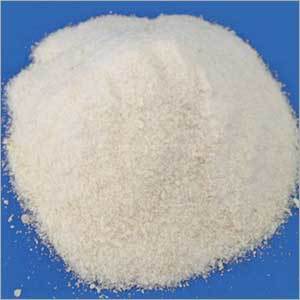
Price Range 1000.00 - 3200.00 USD ($) / Metric Ton
Minimum Order Quantity : 1 Metric Ton
Grade : Industrial Grade
Product Type : Drilling Auxiliary Agent
Melting Point : Decomposes before melting
Usage : Used to improve viscosity and reduce water loss in drilling muds
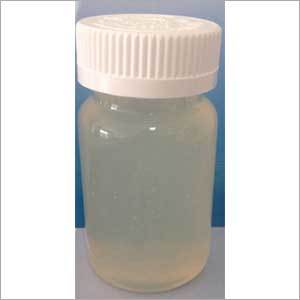
Price Range 1000.00 - 3200.00 USD ($) / Metric Ton
Minimum Order Quantity : 1 Metric Ton
Grade : Industrial
Product Type : Chemical Additive
Melting Point : Not applicable (liquid)
Usage : Typically used at 0.025% 0.25% by volume, directly added to waterbased systems
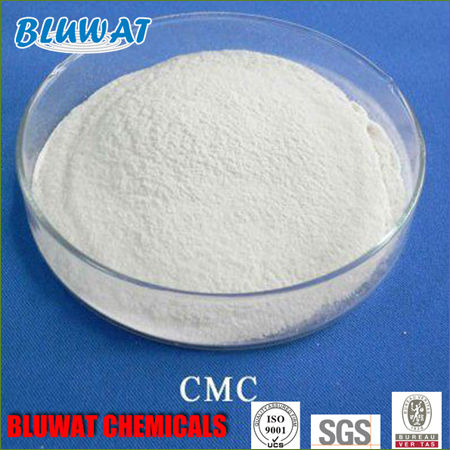
Price Range 1000.00 - 3200.00 USD ($) / Metric Ton
Minimum Order Quantity : 1 Metric Ton
Grade : Industrial Grade / Technical Grade
Product Type : Chemical Compound
Melting Point : Decomposes before melting
Usage : Added to drilling fluids and mud to improve viscosity, water retention, and filtration control
Price Range 1000.00 - 3200.00 USD ($) / Metric Ton
Minimum Order Quantity : 1 Metric Ton
Grade : Technical Grade
Product Type : Drilling Chemicals
Melting Point : Decomposes before melting (>200C)
Usage : Reduces filtration loss, stabilizes boreholes
|
 |
YIXING BLUWAT CHEMICALS CO., LTD.
All Rights Reserved.(Terms of Use) Developed and Managed by Infocom Network Private Limited. |

 Send Inquiry

 Send Inquiry


