Dewatering of Sewage of Ferric Sulphate About
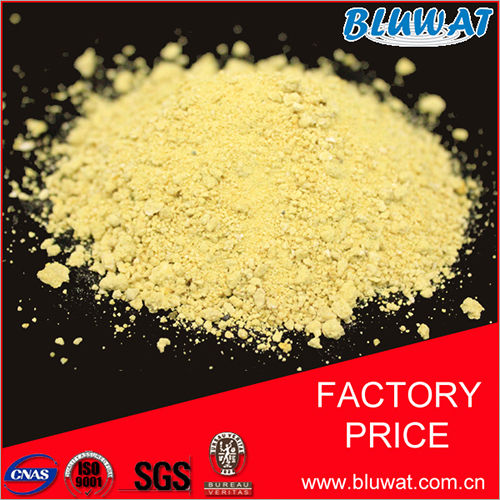
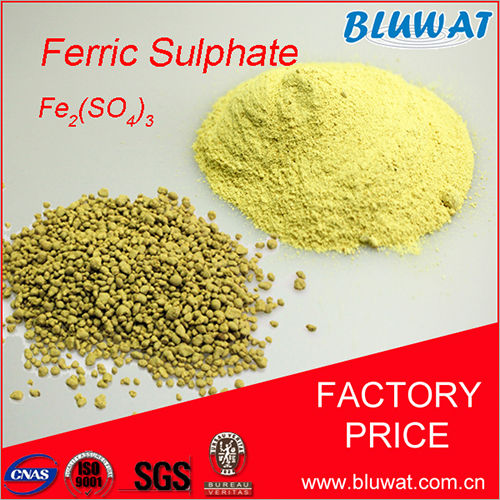
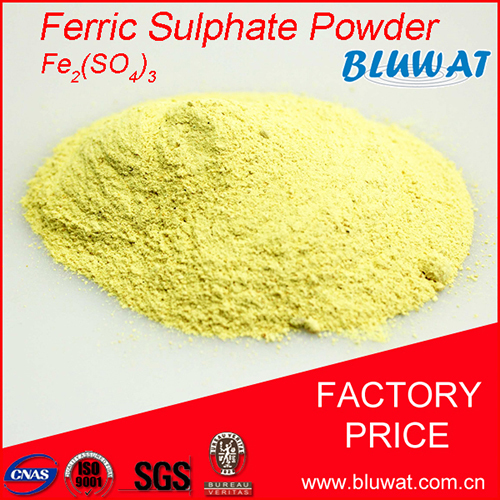
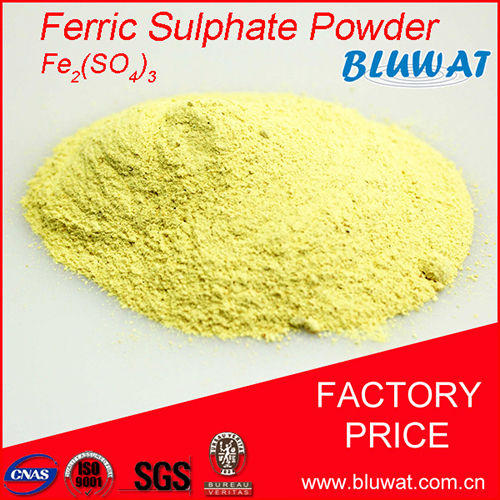
Since our inception in the year 1990, we have been engaged in providing Dewatering of Sewage of Ferric Sulphate. This product is processed using quality examined chemicals and advanced methodology at our sound production premises. Offered product is used as coagulant for removing particulates or waste from water and making it suitable for commercial purposes. Clients can get the provided Dewatering of Sewage of Ferric Sulphate from us in moisture proof packaging options.
Key points:
- Longer shelf life
- Purity
- Balanced pH level
- Hygienically processed
Ferric Sulphate Features:
- High quality and efficient inorganic polymer coagulant.
- Good coagulation function with thick flocs and fast sedimentation.
- Excellent purifying effect.
- Safe, reliable, nonpoisonous and harmless: doesn't contain any harmful substances such as aluminum, chlorine, heavy metal ions, pesticide, and water phase transference of iron ions.
- Can be used in discolouring, dehydrating, deodorizing, degreasing, sterilizing as well as discarding heavy metal iron, radioactive substance and carcinogens in the water, and eliminate COD, BOD, and color.
- Can treat water with PH from 4 to 11, (the optimum pH is 6-9), PH barely changes after treatment, and has little corrosiveness effect to the equipment
- Has very good effect in purifying the river water with algae, low temperature and low urbidity, and slightly contaminated.
- Has a better effect in purifying the high turbidity river water
| Ferric Sulphate Specifications: |
| Fe content: 19% (min.) |
| Fe2+ content: 0.15% (max.) |
| PH (1% water solution): 2.0 - 3.0 |
| Insolubles: 1.0% (max.) |
Ferric Sulphate Application:
- Before using, dissolve the product in running water in the proportion of 10-30% to have red brown solution, then dilute it to dosing solution required for coagulation, the concentration of dosing solution is 2 - 5% for drinking water treatment, and 5-10% for waste water treatment
- Optimum dosage: viewing the different property of raw water, it can be determined by the experiment. For the waterworks, you may refer the dosage of other flocculant operated before. Under the same conditions, its dosage is almost equal to the poly aluminum chloride, 1/3 - 1/4 of the solid alum .
Package and Storage:
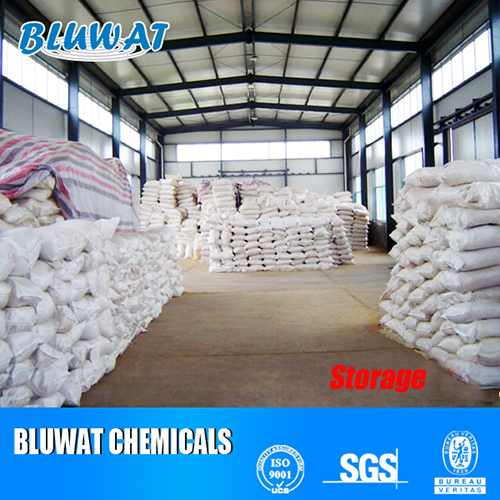
- It is harmless, no-flammable and non-explosive, it can be stored at room temperature, it can not be placed in the sun.
- 25kg/polypropylene woven bags with inner plastics bag
- Storage temperature: 5-30C.
- The product would show slightly stratification or appear white at low temperature. There is no negative impact on the performance after mixing up.
We have more than 10 year experience and more than 10 engineers for production research and after-sales service, advanced lab equipments can satisfy your testing requirements.
Dedicated Customer Service Specialist to help guiding clients to use the products.
Regular detailed tracking reports keep customers updated on their application performance, to provide professional suggestions and solutions to help you get more benifits and cut down the cots.
Powerful Dewatering and Treatment SolutionFerric Sulphate is specially formulated for robust sewage and industrial wastewater treatment, including efficient sludge dewatering. Its high solubility and fast dissolution enable rapid preparation and action, promoting effective phosphorus removal and improved water quality. The product excels in a wide pH range and maintains performance below 40C, ensuring versatility across different operational environments.
Safe Packaging and Simple StoragePackaged in durable HDPE-lined bags, Ferric Sulphate remains stable and effective when stored in cool, dry, and ventilated spaces. The product is odorless and non-toxic under recommended conditions, with a shelf life of 24 months if sealed. Avoid exposure to humidity and metals in moist conditions due to potential corrosivity to metals.
Reliable Performance, Environmentally FriendlyFerric Sulphate, manufactured using iron scrap and sulfuric acid, offers excellent acid resistance and good alkali resistance. Its non-toxic nature under normal handling and low insoluble content (1%) make it suitable for a wide range of municipal and industrial water treatment needs, ensuring both environmental safety and treatment efficacy.
FAQs of Dewatering of Sewage of Ferric Sulphate:
Q: How is Ferric Sulphate used for sewage dewatering and phosphorus removal?
A: Ferric Sulphate is added directly to sewage or sludge where it rapidly dissolves, facilitating the aggregation and removal of suspended solids. It reacts with phosphorus compounds, forming insoluble complexes that can then be separated during dewatering, thus improving effluent quality.
Q: What are the ideal conditions for storing Ferric Sulphate?
A: Ferric Sulphate should be kept in original, sealed HDPE lined bags in a cool, dry, and well-ventilated area. Avoid contact with humidity and metals in moist conditions, as it can be corrosive to metals when moisture is present.
Q: When can I expect Ferric Sulphate to dissolve during preparation?
A: Dissolving Ferric Sulphate in water takes from instantaneous to a few minutes, depending on agitation and water temperature. Its complete solubility makes it easy to prepare dosing solutions swiftly during wastewater or sludge treatment processes.
Q: What are the main benefits of using Ferric Sulphate for wastewater treatment?
A: Ferric Sulphate offers rapid solids separation, effective phosphorus removal, operates efficiently across a broad pH range (4.08.0), and delivers excellent acid resistance. Its non-toxic nature under recommended use also supports safety for operators and the environment.
Q: Where is Ferric Sulphate typically applied in industry?
A: This chemical is widely used in municipal and industrial wastewater treatment plants for sludge dewatering, phosphorus removal, and general clarification of water. It is suitable for applications requiring a high-purity, fast-acting coagulant.
Q: What precautions should be observed during handling?
A: Always handle Ferric Sulphate below 40C, avoid inhaling dust, use protective gloves and goggles, and ensure the area is well-ventilated. Immediate cleaning of spills is recommended due to its potential corrosivity to metals in moist conditions.








 Send Inquiry

 Send Inquiry


