Welcome to Yixing Bluwat Chemicals Co., Ltd!





Polyacrylamide Anionic
| Chemical Name: | Quaternary ammonium cationic polymer |
| Description: | BCD-01 is cationic decolorant chemical, it is a quaternary ammonium salt polymer, which is the special product for livestock and poultry breeding wastewater decolorizing, flocculating, and CODcr decreasing applications. |
| Advantages: | Stronger decolorization (50%~99%) and removal of COD (50%~80%). |
| It is a good decolorant for livestock and poultry breeding wastewater treatment, use the PAC and PAM along with BCD-01 can get a better and Faster sedimentation, better flocculation. | |
| Easy to use and transportation, safe, non-toxic. | |
| Non-pollution (no aluminum, chlorine, heavy metal ions etc.). | |
| Application: | Diluted with 10-40 times water and then dosed into the waste water directly. After being mixed for several minutes, it can be precipitated or air-floated to become clear water. |
| Adjust the pH value of the waste water to 7.0-8.5 for better result | |
| When the colority and CODcr are relatively high, it can be used with polyaluminum chloride, but not mixed together. In this way, the treatment cost can be lowered. Whether polyaluminum chloride is used previous or afterwards depends on the flocculation test and the treatment process. | |
| Package: | 30kgs, 250kgs net in plastic drum, or1250kgs net in IBC drum. |
| Storage: | Should be stored in original containers in cool and dry place, away from sources of heat, flame and direct sunlight. Please refer Technical Data Sheet, Label and MSDS for more details and shelf life. It is slightly acidic, when skin contact, wash immediately with plenty of water |
Typical Specification
| Appearance: | Colorless to yellowish translucid liquid |
| Solid Content: | 50-55% |
| Specific Gravity at 20C: | 1.20-1.30 |
| PH Value (30% Solution): | 3-6 |
| Storage Temperature (oC): | 0-35 |
| Viscosity(20C,cps): | <300 |
| Solubility: | Soluble With Water at Any Rate |
| Shelf Life: | 12months |
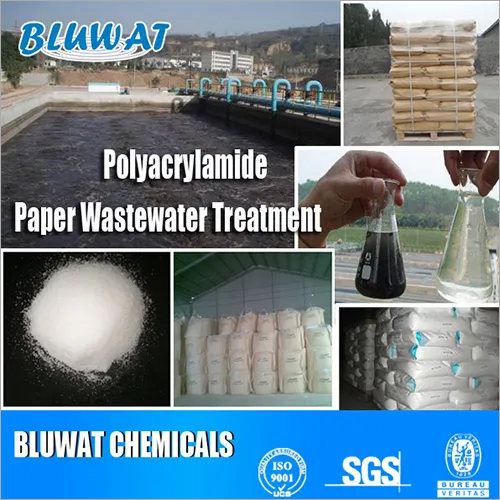

Price:
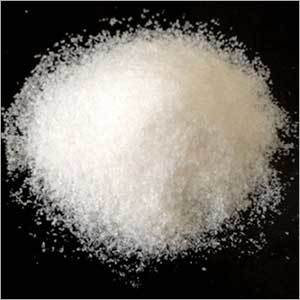
Price Range 1000.00 - 3000.00 USD ($) / Ton
Minimum Order Quantity : 1 Ton
Color : White
Alkali Resistance : Good
Other Names : APAM, Flocculant, Polyacrylamide, PAM
Raw Material : Acrylamide
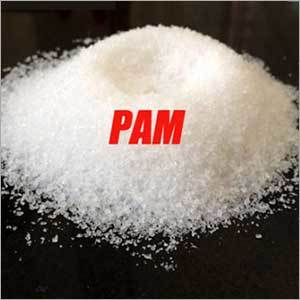
Price Range 1000.00 - 3000.00 USD ($) / Ton
Minimum Order Quantity : 1 Ton
Color : White
Alkali Resistance : Excellent
Other Names : PAM, Flocculant, Anionic/Cationic/Nonionic Polyacrylamide
Raw Material : Acrylamide Monomer
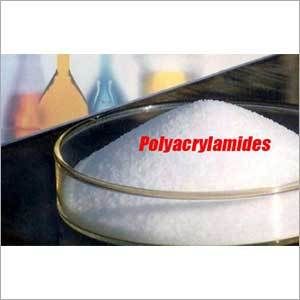
Price Range 1000.00 - 3000.00 USD ($) / Ton
Minimum Order Quantity : 1 Ton
Color : White
Alkali Resistance : Excellent
Other Names : PAM, Flocculant, Organic Polymer
Raw Material : Acrylamide
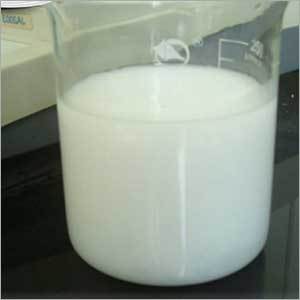
Price Range 1000.00 - 3000.00 USD ($) / Ton
Minimum Order Quantity : 1 Ton
Color : Other, Milky White
Alkali Resistance : Good
Other Names : Cationic PAM; CPAM Emulsion; Oily Wastewater Treatment Polymer
Raw Material : Acrylamide, cationic monomer
|
 |
YIXING BLUWAT CHEMICALS CO., LTD.
All Rights Reserved.(Terms of Use) Developed and Managed by Infocom Network Private Limited. |

 Send Inquiry

 Send Inquiry


