Textile Auxiliary Agents About
With an aim to provide immense satisfaction to clients, we are betrothed in offering pristine grade Textile Auxiliary Agents. To process these agents, our skilled professionals use quality checked chemical compounds. Can be stored at room temperature, the provided agents are used as low oxidizing agent in scouring, dying, printing etc. Suitable for finishing and sizing fabric applications, these Textile Auxiliary Agents are ideal for textile industries.
Key features:
- Utilized as excellent leveling agent in all kind of textile dye
- Non flammable
- Non explosive
- Air-tight packaging options
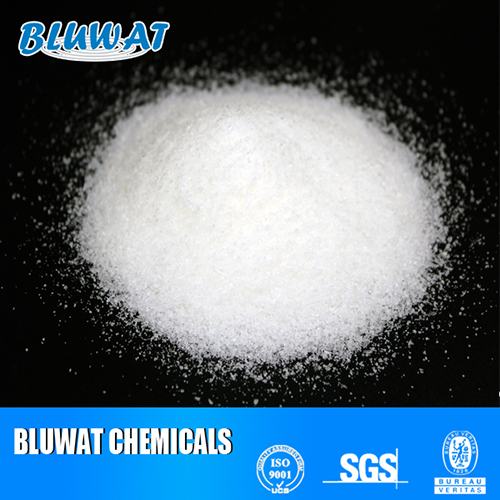
Anionic PAM, Polyelectrolyte
Features:
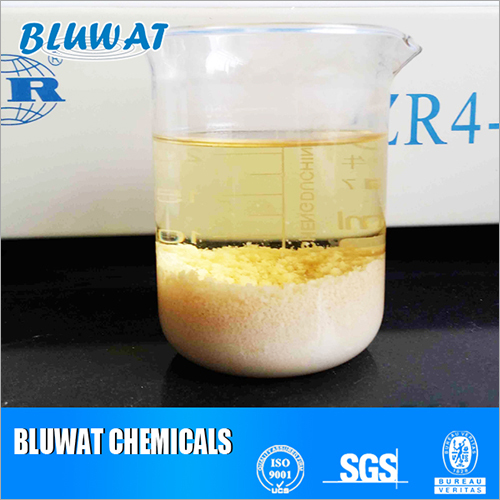
| Appearance: | white granule |
| Molecular weight: | 5 - 22 million minimum |
| Granule: | 20 - 100 mesh |
| Solid content: | 88% minimum |
| Hydrolyzing degree: | 10 - 20%, 20 - 30% or 30 - 40% |
| Dissolving time: | 2 hours maximum (10C) |
| Insoluble: | 0.5% maximum |
| Monomer free: | 0.05% maximum |
Packaging & Shipping
Packing:
25kg/plastic enhanced paper bags with inner plastic bag, 25kg/PE bag
BWD-01 Water Decoloring Agent
Water Decoloring Agent is used for decoloring in industrial application.
Water Decoloring Agent's Features:
- Water Decoloring Agent is Quaternary cationic polymer
- Application for Water Decoloring Agent:
- Decoloring, flocculating, COD decreasing
- Mainly used for color removal for dense color waste water from dyestuffs plants, suitable to treat waste water with activated, acidic and disperse dyestuffs
- Can also be used to treat waste water from textile industry and dye houses, pigment industry, printing ink industry and paper industry
- Harmless, no-flammable and non-explosive
- Water Decoloring Agent's usage: a) Dilutes with 10 - 40 times water and then dosed into the waste water directly, after being mixed for several minutes, waste is precipitated or air-floated and the water become clear.
- Ph index of the waste water should be adjusted to 7 - 10 for better result.
- If colority and COD are relatively high, it can be used with the help of polyaluminum chloride to reduce treatment cost, whether polyaluminum chloride is used before or afterwards depends on the flocculation test and the treatment process
Specifications:
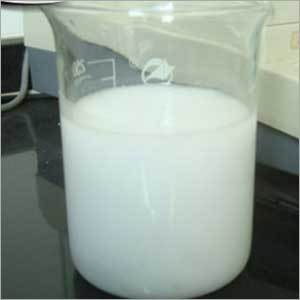
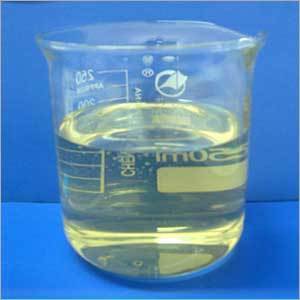
| Appearance: | Light-color, sticky liquid |
| Viscosity: | 50-250 M PA. S (20oc) |
| Solid content: | >50% |
| Ph,30% solution: | 3-4 |
| Specific gravity: | 1.2-1.3 (25oc |
Storage:
can be stored at room temperature, can not be placed in the sun, within a temperature range of 10 - 30C Packing: 25kg/plastic drum, 50kg/plastic drum, 250kg/plastic drum and 1,250kg/plastic drum
Versatile Performance in Textile ProcessingOur Textile Auxiliary Agents are engineered to enhance the efficiency and quality of textile dyeing, printing, and finishing processes. Featuring optimal pH stability, easy water solubility, and compatibility with a broad spectrum of processing chemicals, these agents simplify workflows and upgrade finished products.
Safe Handling and Storage for Long Shelf LifeThese agents are non-flammable and non-toxic when used under recommended guidelines. Store them in cool, dry spaces away from direct sunlight to maintain their effectiveness for up to 24 months. Secure packaging in plastic drums ensures safety during transportation and storage.
Suitable for Global Textile ApplicationsWidely used across diverse textile industries worldwide, these agents are supplied by reliable distributors, exporters, manufacturers, and traders based in China. They comply with industrial quality standards and are trusted in numerous international applications.
FAQs of Textile Auxiliary Agents:
Q: How should Textile Auxiliary Agents be applied in the dyeing and finishing processes?
A: Textile Auxiliary Agents can be incorporated at various stages of dyeing, printing, and finishing, with dosage typically ranging from 15% on the weight of the fabric (owf). The exact process depends on the specific agent variant and desired textile properties.
Q: What benefits do these Textile Auxiliary Agents offer during textile manufacturing?
A: These agents improve color uniformity, processing efficiency, and enhance the final texture and appearance of fabrics. Their compatibility with most processing chemicals and performance across a diverse range of applications make them highly beneficial for textile manufacturers.
Q: When is the best stage to add these agents during textile production?
A: The optimum stage for introducing these agents depends on your particular processdyeing, printing, or finishing. They are formulated to be integrated seamlessly at any step to achieve specific functional results, following recommended handling and dosage guidelines.
Q: What precautions are required for storing these products?
A: Store these agents in plastic drums in a cool, dry area, away from direct sunlight. Proper storage extends their shelf life to between 12 and 24 months and preserves their chemical integrity.
Q: Where are these Textile Auxiliary Agents commonly used?
A: These agents are widely employed in textile mills and manufacturing facilities for various dyeing, printing, and finishing operations, particularly in regions with robust textile industries such as China and countries that import from Chinese distributors and exporters.
Q: What makes these agents suitable for industrial-scale use?
A: Their 99% purity, non-flammable and non-toxic nature (under recommended conditions), and broad compatibility with textile process chemicals ensure safety, reliability, and effectiveness for industrial textile production.








 Send Inquiry

 Send Inquiry


