Welcome to Yixing Bluwat Chemicals Co., Ltd!





With an objective to serve clients in best possible manner, we have been engrossed in offering fine grade Ion Exchange Resin. This resin is processed using quality examined chemicals by our adept professionals at advanced processing unit. The offered resin is used for the removal of calcium, magnesium, iron and manganese salts from water. This resin is also used for purification of sugar. Additionally, the provided Ion Exchange Resin is available in several packing options.
Key points:
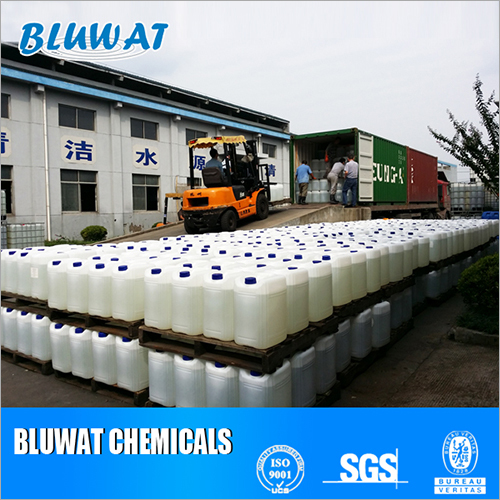

Price:
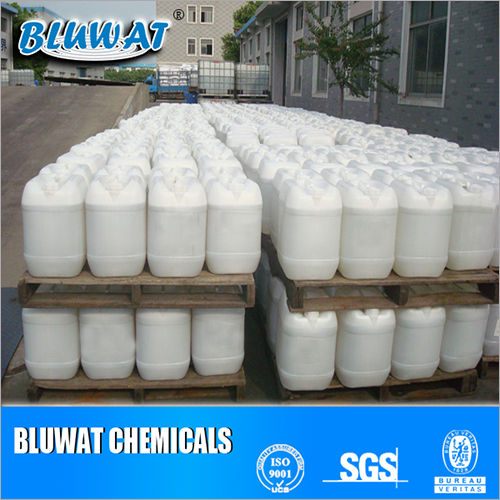
Price Range 0.50 - 0.80 USD ($) / Kilograms
Minimum Order Quantity : 1000 Kilograms
Physical Form : Liquid
Purity(%) : 50%
Application : Other, Water treatment, sewage and wastewater decolorization, effluent clarification
Type : Other, Ammonium Cationic Polymer
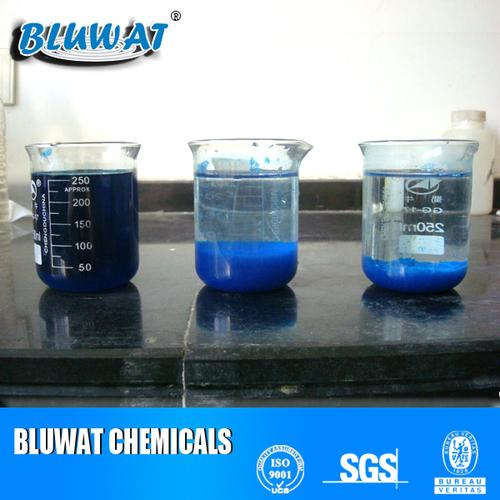
Price Range 0.50 - 0.80 USD ($) / Kilograms
Minimum Order Quantity : 1000 Kilograms
Physical Form : Other, Lquido
Purity(%) : 99%
Application : Other, Tratamento de gua, remoo de cor das guas residuais, purificao de efluentes industriais
Type : Other, Agente de Decoloring para gua
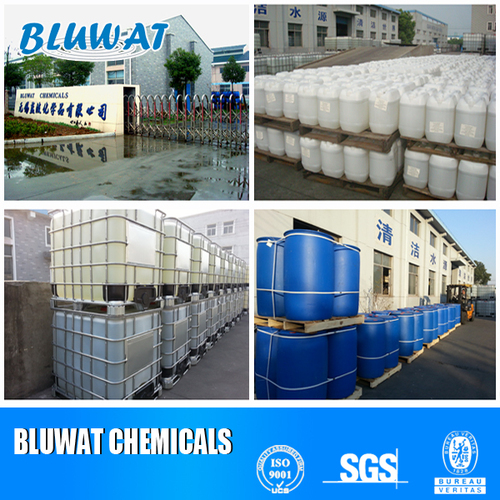
Price Range 0.50 - 0.80 USD ($) / Kilograms
Minimum Order Quantity : 1000 Kilograms
Physical Form : Liquid
Purity(%) : 99%
Application : Other, Waste Water Treatment, Textile Wastewater, Dye House, Paper Mills, Printing, Dying Industries, Industrial Effluent Decolorization
Type : Other, Decoloring Agent
Price Range 0.50 - 0.80 USD ($) / Kilograms
Minimum Order Quantity : 1000 Metric Tons
Physical Form : Liquid
Purity(%) : 99
Application : Other, Efficiently removes color from textile, dyeing, paper, and printing wastewater.
Type : Other, Water Treatment Chemical
|
 |
YIXING BLUWAT CHEMICALS CO., LTD.
All Rights Reserved.(Terms of Use) Developed and Managed by Infocom Network Private Limited. |

 Send Inquiry

 Send Inquiry


