Polyelectrolyte Anionic About
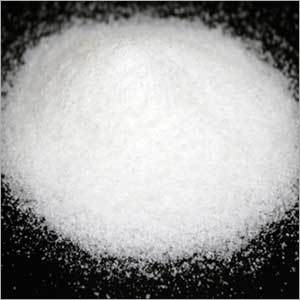
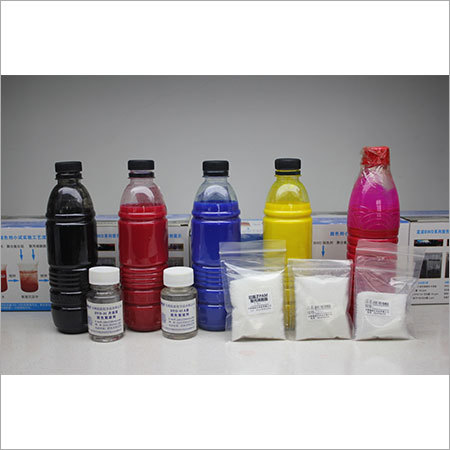
With the inclusion of advanced technology, we are engaged in offering Polyelectrolyte Anionic. The chemical offered by us is processed by our experts utilizing premium quality chemical and advanced techniques in strictly adhering to set industry standards. It is ideal for treatment of water from various processes. This is used in mining industries, paper industries, municipal sewage plants and water treatment plants. Besides, we offer this chemical in varied packaging options at nominal prices. Our Polyelectrolyte Anionic is widely demanded in the market due to its various qualitative features.
Features:
- Free from impurities
- Exceptional cleaning power
- Highly reliable
Technical Specifications:
| Appearance | White granule |
| Molecular weight | 5-7 million |
| Granule | 20 - 100 mesh |
| Solid content: | 89% minimum |
| Hydrolyzing degree: | 30% |
| Dissolving time: | 2 hours maximum (10 C) |
| Insoluble: | 0.5% maximum |
| Monomer free: | 0.05% maximum |
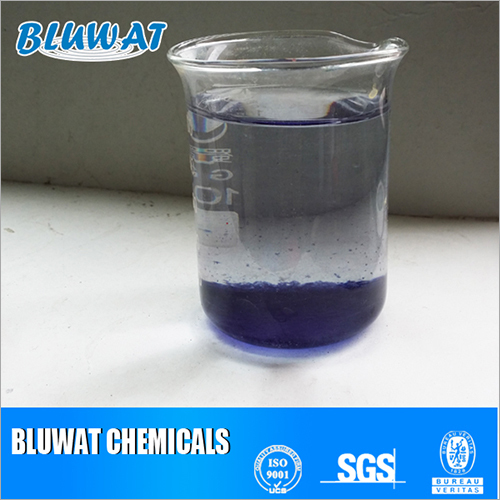
Reliable Solution for Water TreatmentPolyelectrolyte Anionic is engineered for optimal performance in water and effluent treatment plants. Its high molecular weight and consistent viscosity ensure effective coagulation and flocculation of suspended particles, making it indispensable for both municipal and industrial wastewater management.
Versatility in ApplicationSuitable for use in multiple settings, including industrial wastewater treatment facilities and effluent treatment plants, this product adapts well to complex water treatment demands. Its wholly water-soluble nature and easy handling as a powder or granule further simplify operational processes.
Robust Packaging and Long Shelf LifePackaged in secure HDPE bags with inner liners or drums, Polyelectrolyte Anionic maintains its efficacy for up to two years. Proper storage in a cool, dry environment away from sunlight ensures product stability and consistent performance throughout its shelf life.
FAQs of Polyelectrolyte Anionic:
Q: How should Polyelectrolyte Anionic be used in wastewater treatment processes?
A: Polyelectrolyte Anionic should be dissolved in water to form a 0.1% to 1% solution, then added to the wastewater stream. The product promotes coagulation and flocculation of suspended particles, significantly improving solid-liquid separation in effluent treatment plants.
Q: What are the main benefits of using Polyelectrolyte Anionic in industrial applications?
A: The primary advantages include high efficiency in removing suspended solids, ease of handling due to its powder or granule form, complete water solubility, and reliable performance across a wide pH range. It contributes to enhanced clarity and quality of treated water.
Q: When should I add Polyelectrolyte Anionic during the water treatment process?
A: It should be added after initial screening and grit removal, typically before or during the sedimentation or clarification stage, to maximize flocculation and ensure optimal removal of fine particulates.
Q: Where is Polyelectrolyte Anionic most effectively applied?
A: It is predominantly utilized in industrial and municipal effluent treatment plants, as well as in industrial wastewater treatment facilities requiring superior solid-liquid separation and sludge dewatering.
Q: What is the recommended storage procedure for Polyelectrolyte Anionic?
A: Store the product in a cool, dry place, away from direct sunlight, as recommended. Utilize intact HDPE bags with inner liners or drums provided by the supplier to retain product quality and avoid moisture ingress.
Q: How does Polyelectrolyte Anionic benefit the water treatment process compared to alternatives?
A: It offers higher molecular weight and superior viscosity, improving floc formation, reducing dosage rates, and accelerating sedimentation. This ensures lower operational costs and more efficient plant performance.








 Send Inquiry

 Send Inquiry


